In-Service Training
Focused sessions for pastors, ministry leaders, staff, ushers, greeters, volunteers, and Safety Teams—including De-Escalation & Conflict Resolution. Tailor instruction to the people and roles serving your congregation.
How can we help you protect, prepare and care for your congregation?
House of Worship Safety & Emergency Response
Prepare the people responsible for protecting your House of Worship, providing lifesaving measures until First Responders arrive, and helping your congregation carry greater awareness and readiness into everyday life.
Hot Shots Shooting Center & Training Academy, located in Ashland, Ohio, is the founder of the Community Safety Readiness & Emergency Response Initiative (CSRERI). We bring training to your House of Worship, provide training at Hot Shots, or combine both around your congregation’s needs.
Start where your church needs help
Start with a focused session or build a broader readiness program. We’ll work with you to tailor a practical plan around your House of Worship’s needs and available budget.
Focused sessions for pastors, ministry leaders, staff, ushers, greeters, volunteers, and Safety Teams—including De-Escalation & Conflict Resolution. Tailor instruction to the people and roles serving your congregation.
Build awareness, recognize warning signs, report concerns, communicate clearly, and understand assigned responsibilities during services, ministry activities, and everyday operations.
Prepare people in emergency communication, evacuation, congregation accountability, and medical response. Connect written procedures with practical instruction and exercises.
Review entrances, worship areas, children’s ministry spaces, and other facility concerns. Receive documented findings, prioritized recommendations, and practical next steps to strengthen readiness.
Small groups or congregation-wide
Host an HSSC Safety Awareness Education Seminar for a ministry team, a small group of parishioners or your entire congregation. Our instructors bring practical, engaging safety education directly to your House of Worship.
Questions churches ask before they begin
Open any question to see how HSSC can meet your church where it is today.
Yes. A church does not need a complete team before it starts. HSSC can help your first members identify immediate priorities, define roles, begin foundational training and create a practical path for adding and preparing others.
HSSC can conduct role-appropriate assessments, document completed training and, where applicable, provide skills evaluation and firearms qualification. Church leadership remains responsible for selecting, authorizing and governing its Safety Team.
Absolutely. You may add or renew contracted hours, continue à la carte on a pay-as-you-go basis, or schedule refresher training, scenario work and appropriate Range practice as your team develops.
No. MILO® is an important decision-making and scenario-training tool, but a plan may also include classroom instruction, on-site exercises, unarmed and non-lethal skills, plus live-range training or qualification when appropriate for the member’s authorized role.
Yes—when participating teams agree. HSSC can help facilitate peer introductions, roundtable conversations or shared learning opportunities while respecting each House of Worship’s privacy and security information.
A two-hour presentation attended by 20 people uses two contracted hours, not 40 participant-hours, when attendance remains within the approved delivery capacity.
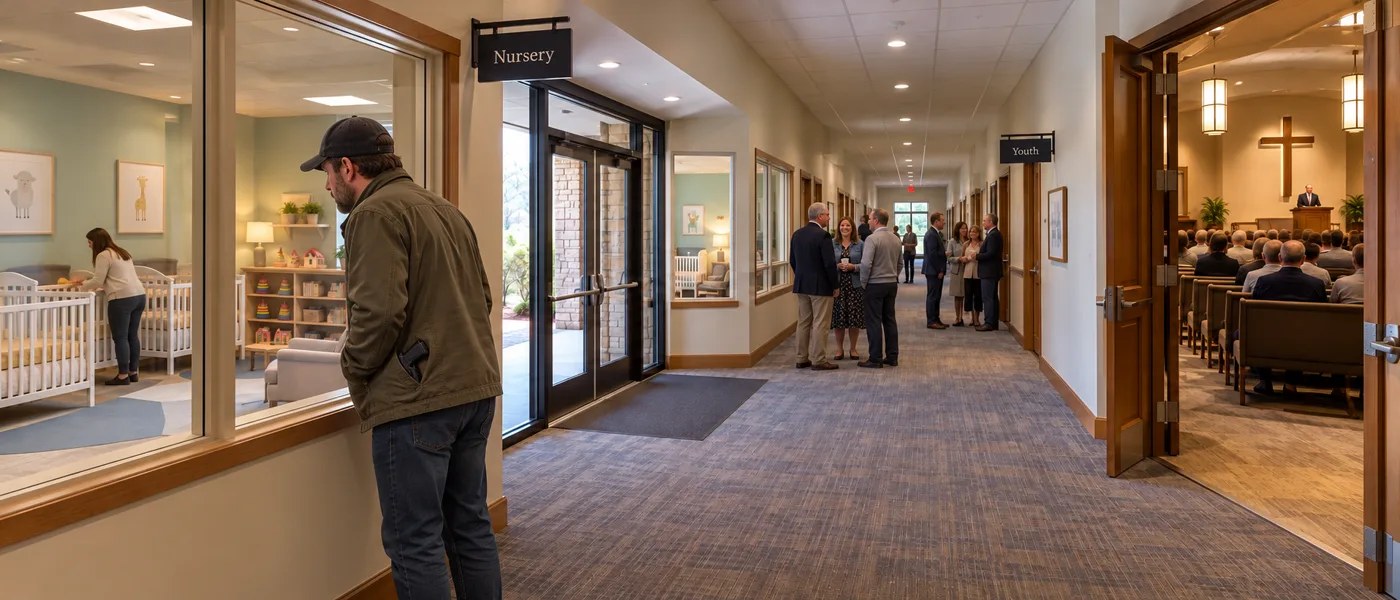
Adults are gathered in the sanctuary. Others are visiting in the hallway. Someone is looking into the nursery—but who has noticed?
Does anyone recognize this gentleman? Did anyone notice the pistol grip? Who should receive that concern?
Does your team recognize who belongs in children’s areas and know how to address a concern?
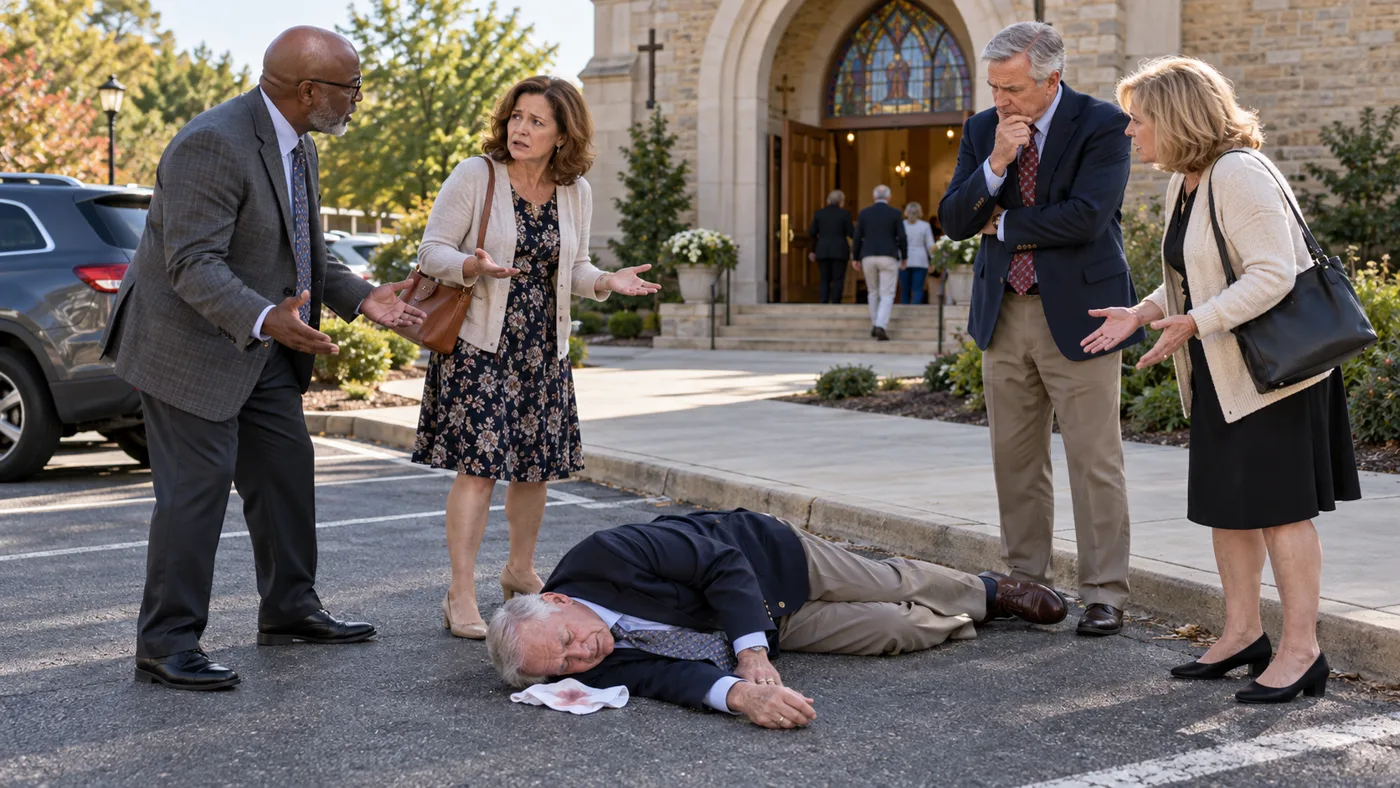
People gather because they care. Without assigned roles, they may look to one another while help is needed.
Who calls 911, provides trained first aid, and directs EMS to the person?
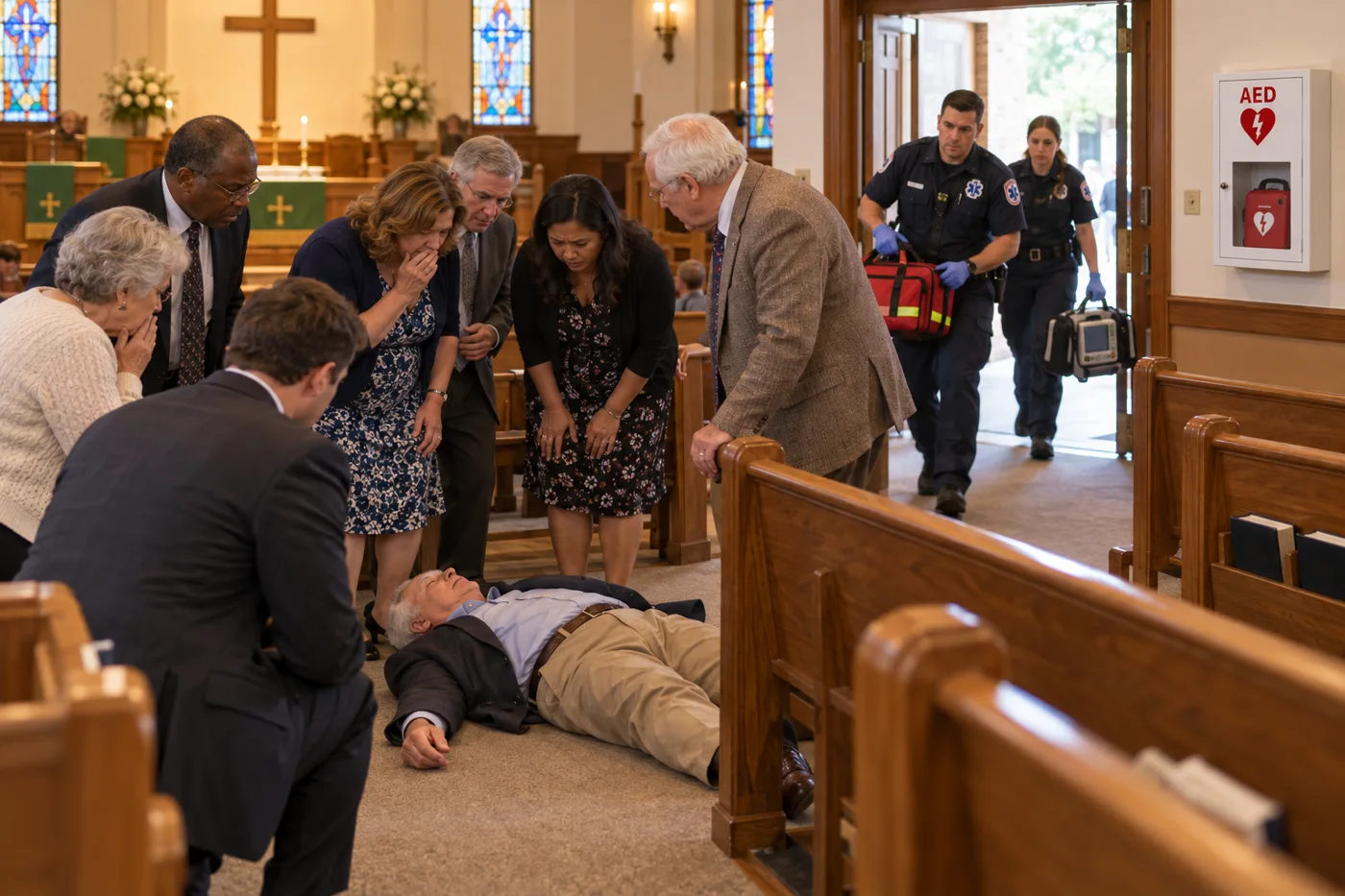
A worshipper collapses. Concerned people crowd around while the AED remains unused and arriving responders need room to reach them.
Who retrieves the AED, begins the trained response, and clears access for EMS?
Illustrative training scenarios—not photographs of a specific church or congregation.
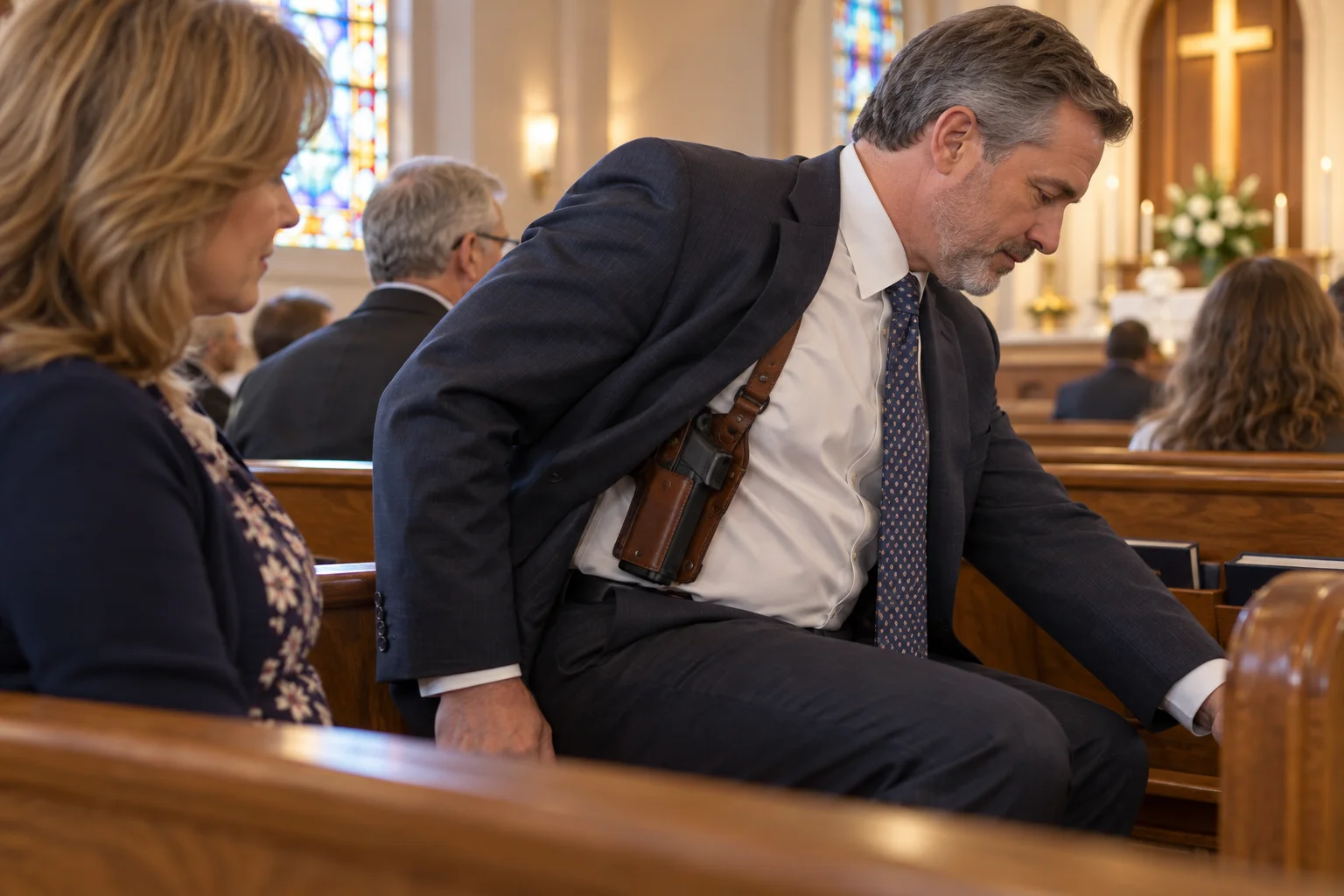
A conversation worth preparing for
Does your House of Worship permit carrying? Whether you have a policy, need to clarify one, or are starting from scratch, prepare your leaders and Safety Team to address a concern.
Having a policy is one step. Preparing people to address it takes clear reporting procedures, communication skills, and practice.
We help you turn written guidelines into practiced church safety readiness.
Church leadership makes policy and authorization decisions. Review applicable law, policy language, and insurance considerations with your attorney and insurance provider.
A complete, coordinated team
A solid Safety Team is not made up only of people trained to use lethal force. It brings together people who can prevent, protect, provide care, guide others and communicate effectively.
Flexible training investment
All HSSC Safety Training and Emergency Response Training is available without a contract commitment. Select individual services à la carte and pay as you go, or choose a contracted hour band to receive the applicable discounts and subsidy allowances.
Tell us your priorities and available budget. We’ll help you choose a practical starting point and discuss the training hours, delivery, and applicable support before you commit.
Come experience Hot Shots
Tour the facility, experience a private MILO® Simulator Suite and discuss your church’s safety, emergency-readiness and training goals with the people who will help shape the path forward.
JJ BittingerDirector of Education & Training · Certified Training Instructor
Terri WoodCo-Owner & CEO
The mission remains the same
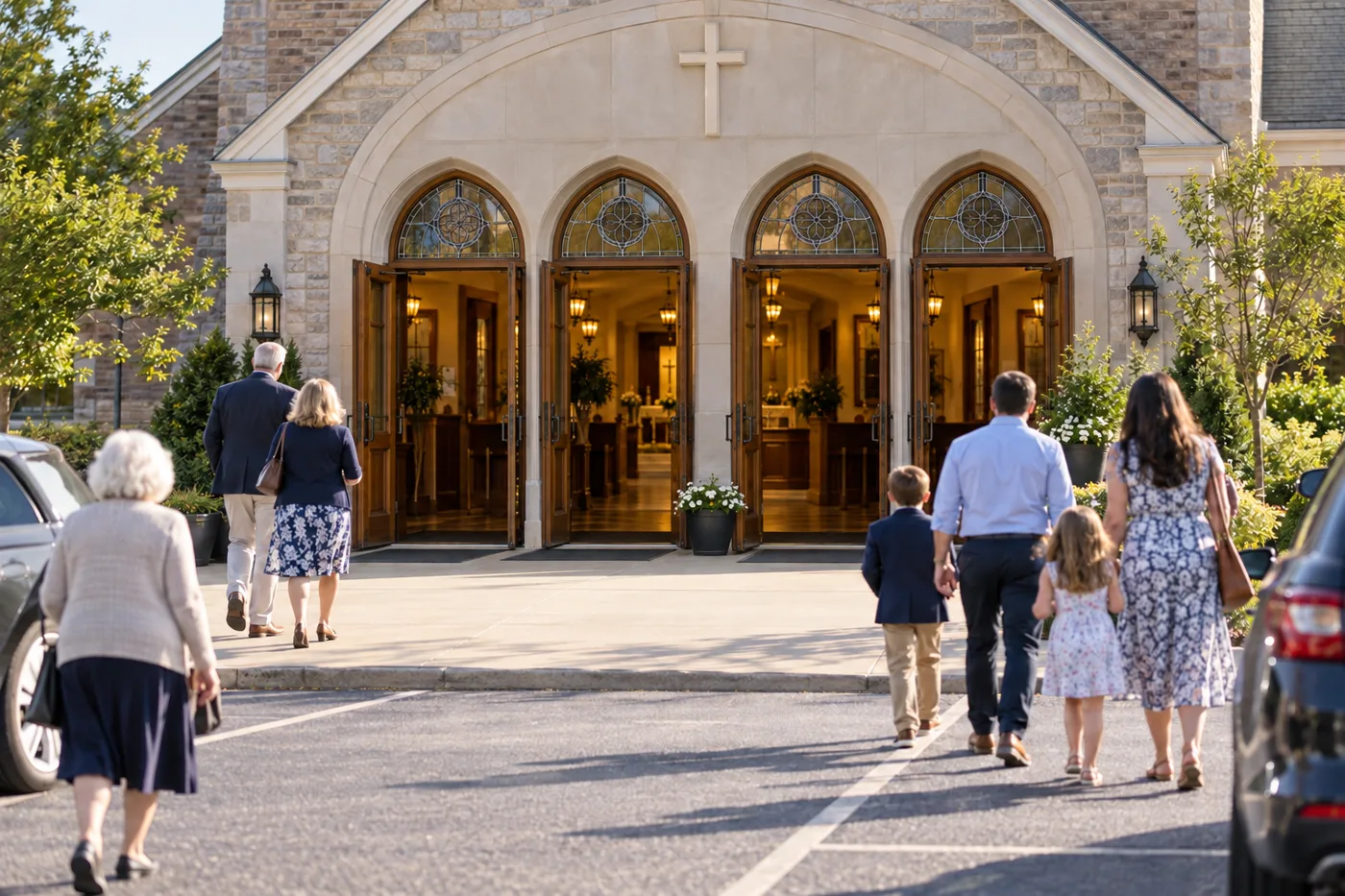
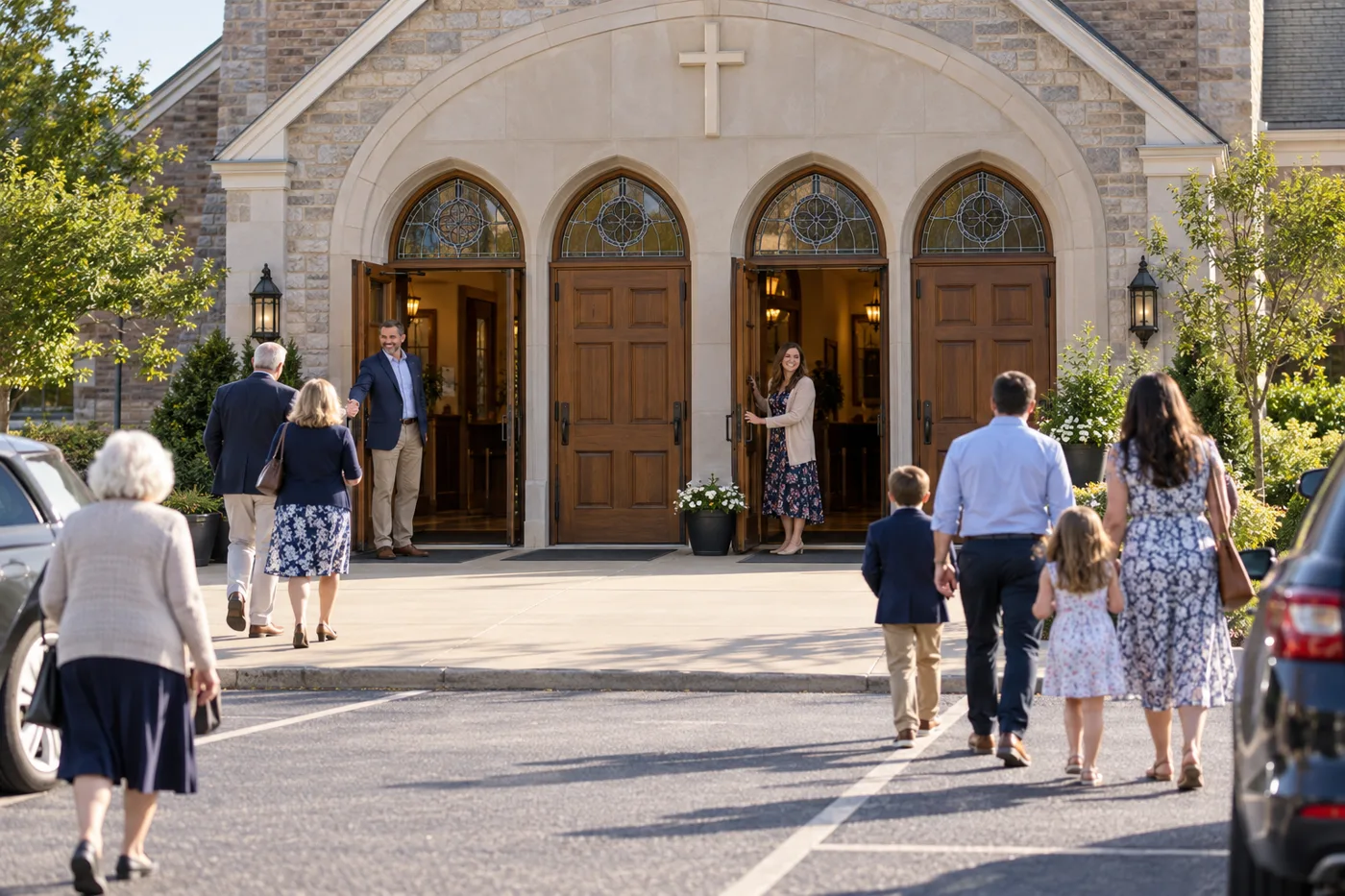
Times have changed—but your mission has not. You remain a place of worship, comfort, community and belonging. Hot Shots can help you prepare for today’s realities without changing the welcoming environment your congregation values.
Your church can remain a place of comfort and belonging while designated people welcome arrivals, observe activity, and communicate concerns.
Start with a conversation and a complimentary Safety-Readiness Discovery Walkthrough.
Schedule Your Complimentary Discovery Walkthrough